


Welcome to KinderSurge
We are a group of pediatric surgeons in Bangalore providing compassionate and high-quality surgical care. We specialise in surgeries for newborns, infants, children, and adolescents, ensuring best outcomes through advanced techniques and dedicated teamwork.
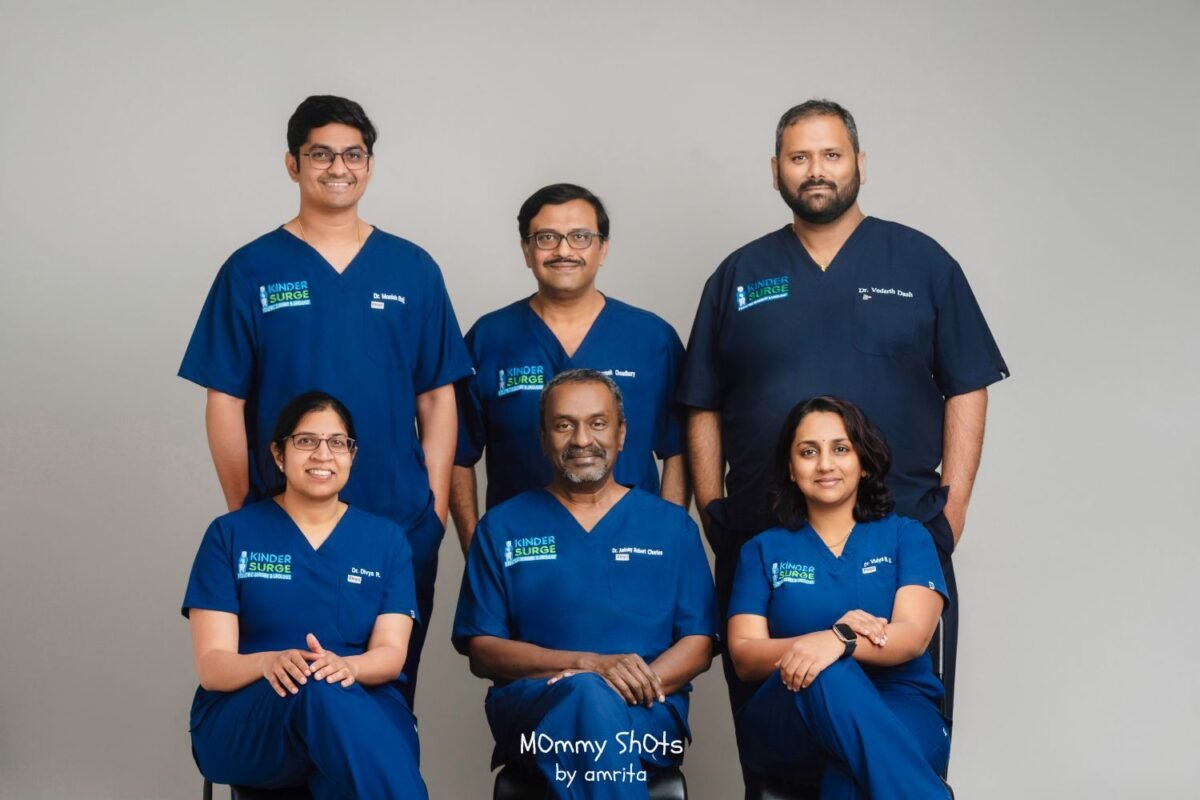
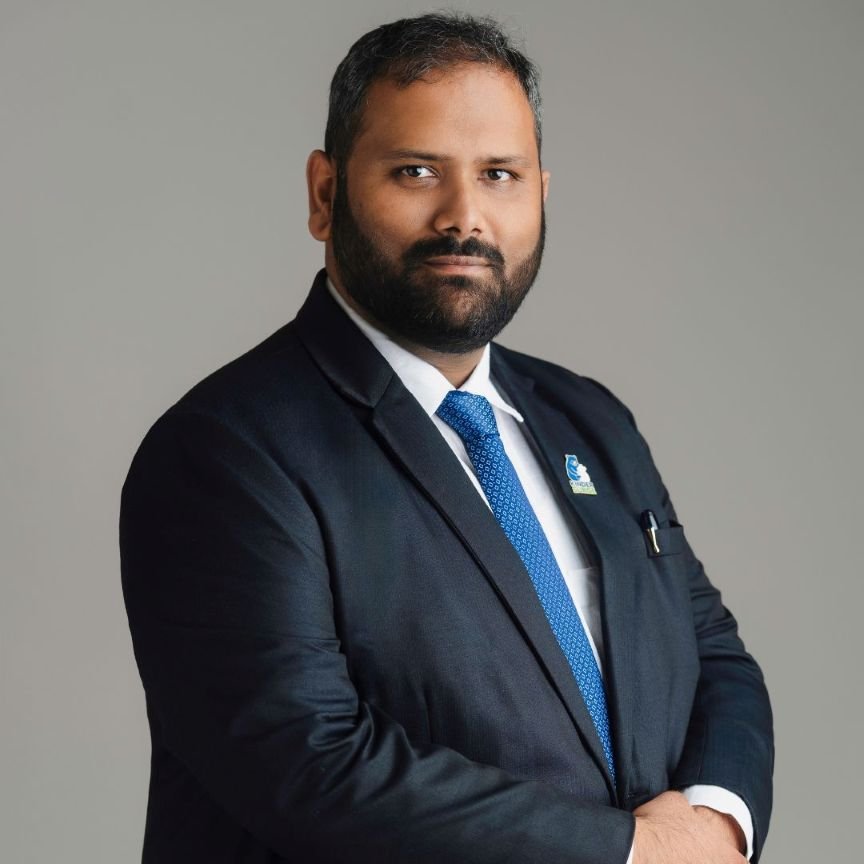
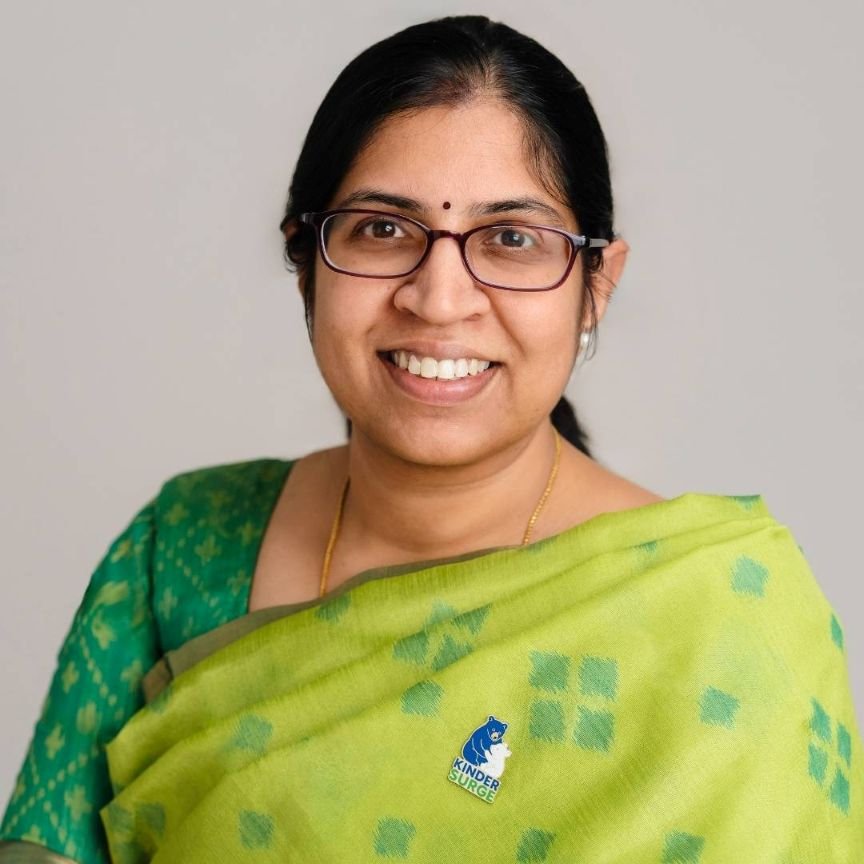
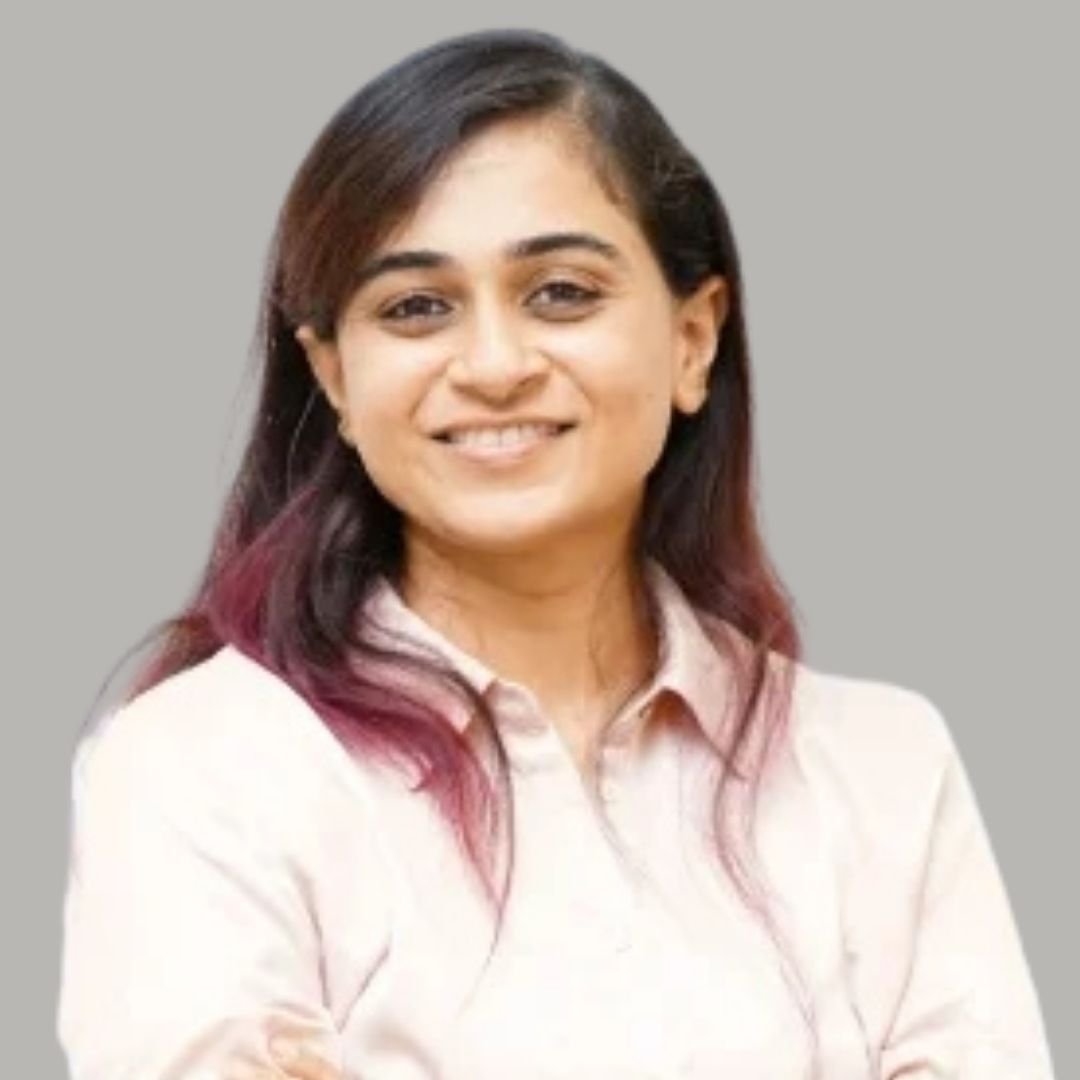
Led by Dr. Antony Robert Charles, KinderSurge features a team of seven skilled pediatric surgeons. Dr. Robert is supported by senior consultants Dr. Shounak Choudhury and Dr. Vedarth Dash, along with consultants Dr. Divya Raghavendran, Dr. Vinay Kumar Konamme, Dr. Shruti Tewari, and Dr. Vidya Bangalore Umashankar.
Together, our dedicated team combines expertise in pediatric surgical specialties to provide high-quality, personalised care to children throughout Bangalore.
Media & Events
KinderSurge In Numbers
Children Treated
Locations
Super Specialities
Pediatric Surgical Expertise

General Surgeries
Common surgeries for children, like hernia repairs, circumcision, and abscess drainage.

Emergency Surgeries
Quick surgeries for urgent issues like appendicitis, torsion, and foreign body ingestion.

Minimally Invasive Surgeries
Advanced keyhole surgeries for quicker recovery, shorter stays, and minimal scarring.

Neonatal Surgeries
Specialized newborn surgeries for congenital issues like hernias, malformations, and more.

Pediatric Onco-Surgery
Cancer surgeries for children, prioritizing cure, quality of life, and chemotherapy access.

Pediatric Urology
Specialized surgeries for children's urinary issues like reflux, obstructions, and infections.

Gastrointestinal Surgery
Surgeries for digestive issues in children, like reflux, obstructions, and birth defects.

Colorectal Surgery
Surgeries for bowel issues like Hirschsprung disease, constipation, and malformations.

Hepato-pancreatico-biliary (HPB) Surgery
Treatment for liver, pancreas, and bile duct problems, like gallstones or cysts, with advanced techniques for quick recovery.

Pediatric Thoracic Surgery
Surgeries for chest issues, like congenital anomalies and lung conditions.

Pediatric Neurosurgery
Surgeries for brain and spinal issues, like spina bifida and hydrocephalus.

Surgical Care for Special Children
Specialized surgical care for children with neurological conditions, like feeding tubes and tracheostomy.
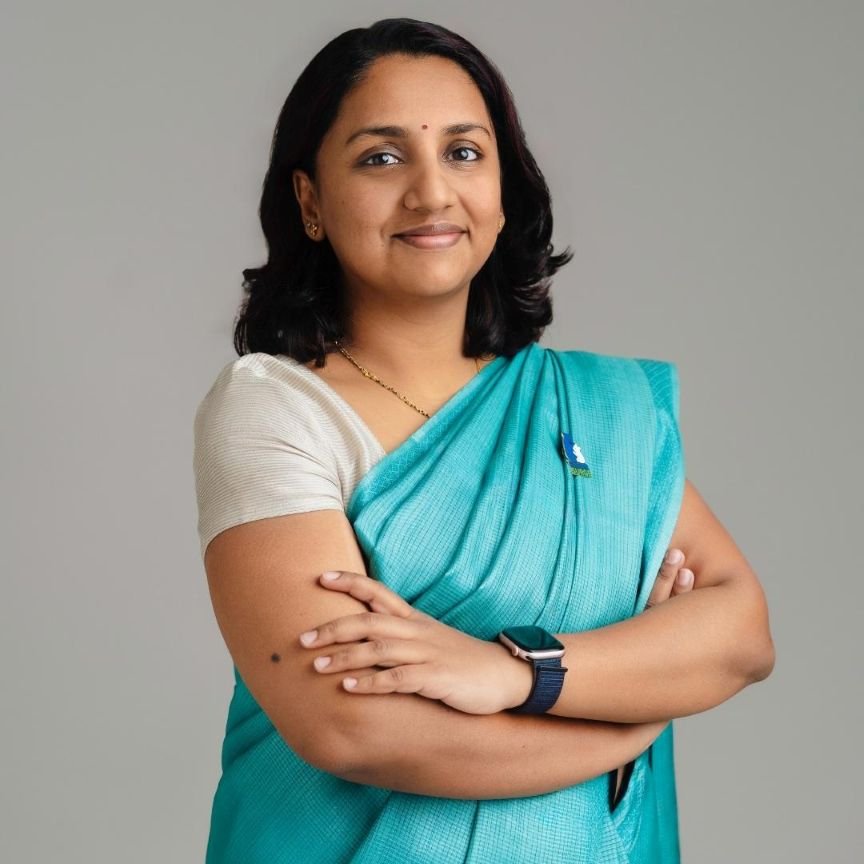
Meet Our Doctors



Testimonials
Posted onTrustindex verifies that the original source of the review is Google. We are so happy nice caring and treatment Staff and doctor's are behaving a family numbers that's why we are recommended Rainbow children hospitalPosted onTrustindex verifies that the original source of the review is Google. 1 year old baby is diagnosed with umbilical hernia and Dr Antony Robert sir did the operation and it went well and post operation my son recovered as expected... Everyone took care of the baby very well... Also they patiently listening to all our questions and clarifying our doubts Overall it is very good...Posted onTrustindex verifies that the original source of the review is Google. My son was suffering with urine infection he had to undergo small surgery with pediatric urologist . He had a very good recovery in 1 week . We are happy we chose this hospitalPosted onTrustindex verifies that the original source of the review is Google. We checked the doctor availablity in online and consulted Dr Robert for Umbilical Hernia problem Dr Robert and team they guided us to proceed with Hernia surgery we also opted to do the surgery now our baby is recovering well Thanks for Dr Robert and team. Highly recommended from our endPosted onTrustindex verifies that the original source of the review is Google. Fantabulous Doctor .. We never forget the way he handled our boy child under his critical circumstance .. Baby is doing well now and we met doctor today after an year to thank him full heartedly .. Thank you so much Dr.Antony Robert sir .. We wish more patients to get successfully treated under you way forward .. Best regards and best wishes ..Posted onTrustindex verifies that the original source of the review is Google. We were diagnosed for Kidney issue Dr Saumil refereed by Dr Saumil Gaur to meet Dr Antony Robert for surgical treatment Doctor Antony and team explained us about the issue and surgical treatment then Vesicoscopic Reimplantation surgery has been done by team after 2 month doctors removed the stent all the part of surgical treatment went really smooth and baby recovered very well now there is no issue for our baby. Always greatfull for Dr Robert and team Highly recommended from our end.Posted onTrustindex verifies that the original source of the review is Google. Consulted Dr. Robert Antony and Divya Raghunath for surgery and it was successfully done. Co operation was good. Doctors are very cool and good. We are very happy with baby recovery Very grateful for whole team for the guidance and care. Highly recommend from our end.Posted onTrustindex verifies that the original source of the review is Google. I strongly recommend Dr.Antony Robert. He is very understanding & he gives confident to the parents that your child is in safe hands. He tells reality of the situation rather than giving story around it. He also thinks longterm & provides medication & treatment accordingly.Posted onTrustindex verifies that the original source of the review is Google. I visited Dibya Mam for my son's Hydrocil surgery. She was very nice and very friendly and making understand to patient regarding the problem very nicely with layman term with pen and paper which makes easier for patient to understand. At last surgery happened nicely and from day one my son is doing normal activities. Really Thankful to Divya MamLoad moreShowing our latest reviews





Why Choose Kindersurge
Comprehensive Services
From routine procedures to complex surgeries, we cover all aspects of pediatric surgery.
Expertise and Experience
Specialised group of surgeons with extensive experience in pediatric surgical care. We work closely with specialists in other disciplines for multi-disciplinary management.
Advanced Techniques
We use the latest technology and minimally invasive methods for faster recovery and less discomfort
Holistic Approach
We treat the whole child with personalised care plans, working closely with families and other healthcare providers.
Availability & Affordability
With a presence in multiple hospitals—both corporate and charitable—offering accessible, convenient, and affordable care.
Collaborative Partnerships
Strong relationships with referring physicians and healthcare providers for seamless care.
Commitment to Innovation
Continuous education and adoption of cutting-edge advancements in pediatric surgery.
Exceptional Outcomes
Focus on superior patient outcomes and improved quality of life for children.
Our Locations
KinderSurge Clinics, located in Koramangala and Whitefield Main Road, offers consultation in several prominent hospitals at diverse locations across Bangalore. Our primary affiliations include:
Rainbow Children’s Hospital
- Marathahalli
- Sarjapur
- Hebbal
Manipal Hospitals Bangalore
- Hebbal
- Sarjapur
- Varthur
- Doddaballapur
Cloudnine Hospitals
- Whitefield
- Varthur
- Electronic City
- Thanisandra
Motherhood Hospitals
- Indiranagar
- Whitefield
- HRBR
Apollo Cradle Hospitals
- Brookefield
- Electronic City
- Koramangala
Fortis Hospital
- Fortis Richmond Road
Sparsh Hospital
- Infantry Rd, Vasanth Nagar
VSH Hospital
- Vittal Mallya Rd, Ashok Nagar
Ovum Hospitals
- Hoskote (KHB Colony)
- HSR Layout
- Kalyannagar, HRBR Layout
- Bhattarahalli, Old Madras Rd
St. Philomena’s Hospital
- Viveka Nagar, Bengaluru
Bangalore Baptist Hospital
- Bellary Rd, Hebbal
Kinder Hospital
- K. R. Puram, Bengaluru
Natus Hospital
- Sarjapur – Marathahalli Rd
Kauvery Hospitals
- Marathahalli
- Electronic City
Sacred Oak Hospital
- Hosur Rd, Electronic City
Athreya Hospital
- Anekal Main road, Chandapura
Mithra Multi-Specialty Hospital
- Electronic City Phase 1
Blogs & Updates about Kinderdurge
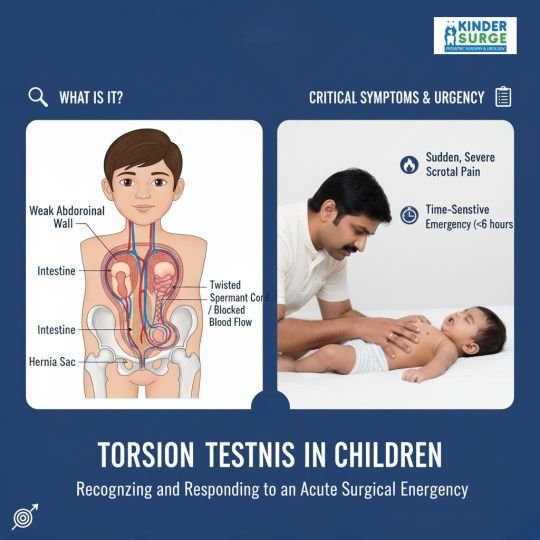
Torsion Testis
Recognizing and Responding to an Acute Surgical Emergency
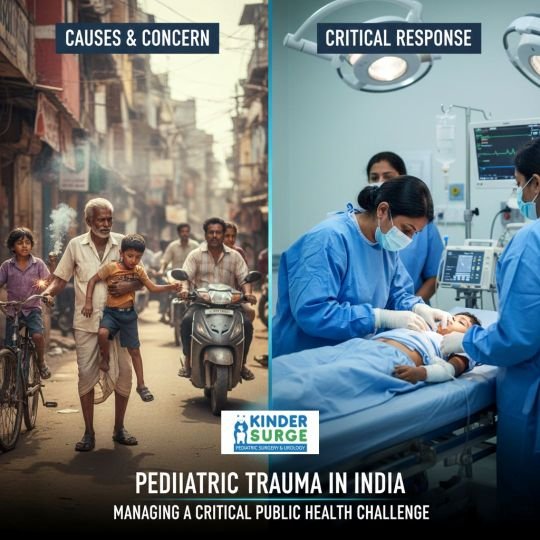
Pediatric Trauma
Understanding a Critical Public Health Concern in India
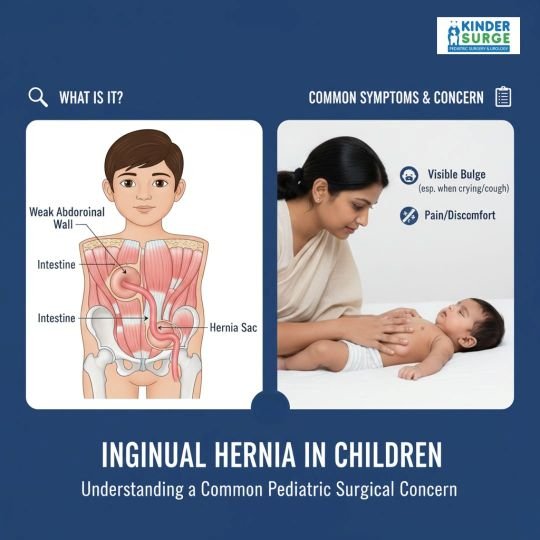
Inguinal Hernia
Recognizing the Symptoms of Inguinal Hernias in Kids
Best Pediatric Surgeon in Bangalore — Guide to Finding Expert Child Surgery Care
Here’s why selecting the right paediatric surgeon matters in Bangalore
Selecting a pediatric surgeon is not the same as choosing a general surgeon. Pediatric surgeons are specially trained in the anatomy, physiology, and growth problems of children — crucial when babies, toddlers, and adolescents respond to disease, anaesthesia, and surgery differently from adults. A child surgeon can make a world of difference for patients aged 0-18. When it comes to finding the right one in Bangalore (with its wide range of healthcare, from small clinics to large multispecialty centres), your choice can directly affect recovery time, outcomes, and long-term development.
Read More
A paediatric surgeon and a general/paediatrician surgeon – what separates them?
Pediatric surgeon (frequently an MCh pediatric surgery or equivalent fellowship)-trained for surgical issues in neonates, infants, and adolescents, including lumps and bumps, cancer, and hereditary diseases.
General surgeons may operate on children for common cases (i.e. hernias) but might not have neonatal or paediatric intensive care experience.
Paediatricians / Paediatric surgeons: Paediatricians are responsible for medical care and can refer to a paediatric surgeon when an operation is necessary. “Paediatric surgeon”, as used in India, most commonly refers to a surgical subspecialist; check for MCh/fellowship.
Congenital, trauma and infectious pediatric surgical conditions in India
Congenital malformations: TEF, CDH, anorectal malformations, biliary atresia and intestinal atresias.
Pediatric urology: PUV, hypospadias, cryptorchidism.
Acute surgical diseases: appendicitis, intussusception, congenital hernias, post-trauma lesions, burns, and infections requiring debridement.
The role of surgeon skill, centre, and perioperative care in outcome
Good outcomes require:
- Experience of the surgeon and pediatric-based training.
- Hospital infrastructure in place: NICU/PICU, peds anaesthesia, peds nursing, blood bank, imaging.
- Perioperative (pre-op stabilisation, nutrition in the neonate, infection control, pain control, follow-up).
Institutes that bring together multidisciplinary teams in centres such as Bangalore have also had better survival and lower complication rates than surgical services without a paediatric component.
Urgent vs. elective pediatric surgical care: When to call.
Emergent type/urgent: severe abdominal pain with vomiting and fever, blood in the stool, dyspnea related to congenital thoracic anomalies (car accident), traumatic lesions, uncontrollable bleeding, and emergency neonatal intestinal obstruction.
Elective: fixing congenital hernias, correcting hypospadias, neonatal planned after optimisation corrections that are not a desperate situation, in addition to operating often.
Types of pediatric surgery and procedures available in Bangalore
A broad range of paediatric surgical services is available in Bangalore across all tertiary hospitals and specialised centres. Families who know which procedures are performed can then help choose a surgeon with the necessary experience.
Neonatal surgery
The neonatal surgeon cares for life-threatening congenital conditions in the first few days to weeks of life: repair of tracheoesophageal fistula (TEF), repair of congenital diaphragmatic hernia (CDH), management of necrotising enterocolitis (NEC) with bowel resection or stoma, and primary correction of anorectal malformations.
NICU back-up, neonatal ventilators, parenteral nutrition, and experienced neonatal anaesthetists are required for these surgeries.
Urinary procedures in children (androgen insensitivity, hypospadias)
Pediatric urologists or pediatric surgeons with urology training perform posterior urethral valve ablation/diversion, hypospadias repair, orchidopexy for undescended testes and complex reimplantations for reflux.
Postoperative follow-up consists of ultrasound, renal function testing, and, in some cases, long-term urological surveillance.
Pediatric surgery: GI, etc. (appendix, hernia and biliary atresia)
Most frequent procedures: A laparoscopic or open appendectomy, inguinal/femoral hernia repair and intestinal obstruction.
Pediatric thoracic and cardiac surgery (non-cardiac; liaison with pediatric cardiology)
For non-cardiac thoracic operations, congenital lung malformation resections and procedures on the trachea were included. Cardiac surgery is divided into its own section, but many pediatric surgeons work closely with pediatric cardiology and cardiothoracic groups when chest or airway anomalies are combined with cardiac issues.
Trauma, Burns & Reconstructive surgery for children
Paediatric trauma requires age-specific resuscitation and surgical management of fractures, soft tissue injuries or abdominal trauma. Wound care, grafts, and long-term scar revision are often overseen without involving specialised burn units and pediatric reconstructive surgeons.
Less invasive / Keyhole surgeries for children in Bangalore
Pediatric laparoscopic surgery is completed at many centres for appendicitis, cholecystectomies in older children, hernia repairs, and diagnostic studies. Pediatric laparoscopic surgery in Bangalore results in less pain, shorter hospital stays, and faster recovery.
Pediatric surgeries and care for oncological patients
Pediatric surgical oncology is a collaborative effort with pediatric radiotherapists, oncologists, and pathologists. Resection of tumours, biopsy, and staging are primarily performed at the multidisciplinary tumour board to maximise both survival and functionality.
How to check the best children’s surgeons and hospitals in Bangalore.
Choosing the surgeon and hospital is an important decision—a structured way to assess credentials, infrastructure, and outcomes.
What you need to look for (MCh Pediatric Surgery, MBBS, pediatric surgery fellowship)
Pursuing MCh in Pediatric Surgery or its equivalent (e.g., DNB Pediatric Surgery) after MBBS & MS/General Surgery. Fellowship training in one or more pediatric surgical subspecialties (neonatal, urology, oncology, or minimally invasive surgery) is a plus.
Membership in national pediatric surgical societies demonstrates professional and practice engagement over time.
Confirm degrees and hospital affiliations when you can. The credentials will usually be listed on the hospital websites and the professional profiles of Bangalore’s best surgeons.
Experience: years and volume, neonate vs older child caseloads
Inquire about caseload: The number of neonatal surgeries and complex congenital repairs done in a year, as well as how many laparoscopic pediatric procedures are done.
Experience in neonatal vs. older-child cases does make a difference; neonatal surgery experience correlated with better outcomes.
Surgeons based in high-volume pediatric centres tend to achieve better outcomes due to standardised protocols and familiarity with the teams.
Hospital resources: NICU/PICU, pediatric anaesthesia, blood bank, imaging
Infrastructure: Level-III NICU and PICU with ventilator management; pediatric anesthesiologist adept at pediatric airway management; on-site blood bank, pediatric radiology (ultrasound, CT, MRI) and lab services.
Look for paediatric-specific operating rooms, child-friendly wards and infection control processes.
Multidisciplinary: Care of the newborn (neonatal), pediatric intensive care and anesthesiology.
The best care is team-based: neonatologists, pediatric intensivists (intensive-care specialists), pediatric anaesthetists, pediatric nurses, physiotherapists, and nutritionists. Multidisciplinary treatment conferences and tumour boards are a sign of involvement.
Accreditation & Safety Standards (NABH, JCI) — What It Means For Parents
Accreditation (NABH, JCI) means adherence to standard operating procedures for Safety, Infection control, and Patient rights. It is not a guarantee of perfect outcomes, but accredited centres are likely to have more documentation, protocols, and grievance redressal systems.
For parents, accreditation indicates commitment to quality and assists with insurance and medico-legal clarity.
How to validate results and complication rates in the absence of Raw data
It is not common to have access to raw complication rates. Instead:
- Ask the surgeon about general statistics on outcomes, such as survival rates for specific procedures, reoperation risks, and average length of stay.
- Ask for de-identified case examples or de-identified audit summaries.
- Search for published case series, conference presentations or hospital quality reports.
Seek referrals and personal experiences from friends, paediatricians and parent groups.
QUESTIONS TO ASK THE PROVIDER:
- What is the proposed surgical plan?
- Are there alternative options?
- What are the risks of the proposed surgery?
- What will my recovery be like after surgery?
Prepare focused questions:
- What is the definitive diagnosis, and is surgical intervention needed emergently or on an elective basis?
- What types of surgeries are there, and what are the pros and cons of each?
- Have you performed this procedure, and what are the expected results?
- What type of anaesthesia, and who does pediatric anaesthesia?
- What are the primary risks and rates of complications, and what is the management of these complications?
- Anticipated length of hospitalisation, NICU/PICU requirements and recovery duration.
- Postoperative analgesia, feeding and follow-up visits.
- Projected cost and probable use of consumables, ICU costs, and blood products.
Good surgeons will give clear explanations of risks, discuss alternatives, and involve parents in decision-making.
Best localities and hospitals for pediatric surgery in Bangalore
Major centres for pediatric surgery in South, South East and North Bangalore
South Bangalore (Jayanagar, JP Nagar, Koramangala): There are several good multi-speciality hospitals with pediatric surgery departments and NICU/PICU facilities, suitable for the southern suburbs.
East Bangalore (Whitefield, Marathahalli): Fast-growing, with tertiary hospitals offering neonatal surgery, pediatric anaesthesia, and multidisciplinary care; suitable for families in the IT corridor.
North Bangalore (Yelahanka, Hebbal, Hennur): An increasing number of speciality and super-speciality hospitals near the airport, suitable for families travelling from other cities or states.
Profiled leading hospitals for pediatric surgical care (service types)
Big tertiary care hospitals: Cover a complete spectrum, including neonatal surgery, pediatric urology, laparoscopic pediatric surgery, PICU/NICU, pediatric oncology, and organised cardiac referrals.
Specialised children’s hospitals/units typically have child-friendly wards, specialist nursing, and paediatric anaesthetists – useful for complex cases or long-term follow-up.
Teaching hospitals and medical schools: Excellent clinical skills, relatively inexpensive care; longer waiting time, but good surgical experience in complex neonatal surgeries.
Public vs private: What you need to know about reaching out for treatment.
Public hospitals:
Pros: Lower cost, eligibility for government programs, experienced providers at high-volume facilities.
Cons: Busy wards, long waiting lists for elective cases, and inconsistent infrastructure across centres.
Private hospitals:
Pros: More prompt access, private rooms, separate pediatric units, potentially better hospitality, and briefer waits for elective care.
Cons: Higher cost, out-of-pocket costs for consumables if insurance restricts them.
Typical expenses are distorted in both directions: Paediatric surgeries in public hospitals can be heavily subsidised; private tertiary care offers higher base costs but possibly cashless insurance tie-ups.
How location impacts travel, follow-up and emergency access
Select a hospital that can be reached in emergencies: Reachable from home. Emergencies may take the form of neonatal or acute surgical complications, and time is precious.
For families outside Bangalore, pick centres with good transport links or hospitals, and lodging/tied-up guesthouses.
Proximity is essential for frequent follow-ups after neonatal or reconstructive surgeries. Extended travel increases costs, time, and logistical concerns, particularly for infants requiring multiple reviews.
Cost, insurance and financial planning for pediatric surgery in India
Understanding the likely costs, hospital charges, and insurance options will help parents plan resource outlays and avoid unexpected financial distress.
Average / Approximate cost of common pediatric surgeries at Bangalore (Circumcision, Hernia, Appendicitis, etc.)
These amounts are estimates and depend on the hospital, surgeon, ICU requirements and consumables:
Inguinal hernia repair (infants/children) INR 20,000–80,000 at private hospitals.
Appendectomy (laparoscopic): INR 40,000–1,50,000, depending on complications and Hospital stay.
Neonatal surgeries (TEF, intestinal atresia, CDH): INR 1,50,000–6,00,000+ depending on the complexity of surgery required, NICU stay and duration of ventilation and consumables.
Hypospadias repair: INR 50,000-2,50,000, depending on the repair stage.
PUV surgery: INR 50,000–2,00,000 based on the need for diversion or urethral endoscopy.
They do not include implants, special consumables, or blood products, which further add to the bill.
How much do hospitalisation, I.C.U., and consumables tack on?
ICU/PICU/NICU charges can be a significant component; daily ICU rates at private hospitals in Bangalore vary widely (e.g., INR 12,000–40,000 per day). Prolonged ventilation or complications increase costs further.
Consumables such as special sutures, stents, grafts, prosthetics, disposables, and implantable ports may incur additional charges.
Work-up (CT, MRI, specialised labs), blood transfusions and long-term physiotherapy or home care are additional.
Child health insurance in India — What covers pediatric surgery?
Most family floater or individual pediatric health policies cover surgical hospitalisation, though check age limits and pre-existing condition exclusions.
Confirm coverage for congenital anomaly corrections — The majority of insurance companies consider profound, bilateral hearing loss a congenital disorder, so children who elect for these surgeries may not be covered under a standard policy.
Cashless claims: Check whether the hospital is impanelled with the insurer and outline the steps for pre-authorization. Claims are managed by third-party administrators, or TPAs.
Obtain written confirmation of what is covered. Coverage varies by policy; surgical costs, the I.C.U., consumables, and postoperative outpatient follow-up are affected.
Govt. initiatives and voluntary choices for low-income families in Karnataka
State/national schemes (Ayushman Bharat/PMJAY, if eligible) may cover pediatric surgeries for BPL families; benefit verification and enrollment are mandatory.
A few hospitals have charity funds, the Social Service Counters, or cooperate with Non-Governmental Organisations to help lower-income families pay for neonatal surgeries.
Government third-level hospitals typically provide subsidised care; contact district health offices and hospital social services for assistance with paperwork and approvals.
How to get quotes, negotiate payment plans and avoid surprise bills
Before admission:
- Demand a written cost estimate, detailing the surgeon’s fee, OT charges, ICU rates, consumables, and expected LOS.
- Explain which items have additional fees (e.g., special drains, implants).
- Verify the insurance cashless and pre-authorisation procedures.
Negotiate:
- Inquire about payment schedules, staged billing or discounts for full upfront payment.
- For extended NICU stays, with some help for subsidised rates if there is no social service support.
Avoid surprises:
- Save copies of all consent forms and estimates.
- Request to be notified at the earliest possible time if estimates will change.
- Obtain the emergency contact numbers for the hospital billing office and the patient relations department.
Preparing your child for surgery — before, during and after
There is a well-established truth that preparation reduces fear and enhances recovery.
Preoperative testing and age-adjusted fasting guidelines for children.
Fasting instructions (n.b. – generalised — for specific advice, follow the guidance given by your anaesthetist in your hospital):
Clear liquids: until 1–2 h before anaesthesia in older infants/children, according to recommendations.
Breastfeeding: usually permitted up to 3–4 hours before anaesthesia (clarify with anaesthetist).
Solids/formula: usually 6 hours before. Neonatal protocols may vary.
Follow the anesthesiologist’s instructions to the letter; straying could delay surgery or result in aspiration.
How to Talk About Surgery with Different Age Groups and Emotional Preparation
Infants (0–2 yrs): Maintain routines; provide comfort measures for soothing; and have parents present preoperatively to reduce anxiety.
Toddlers (2–5 yrs): Use simple words (“doctor will fix your tummy”), act out with dolls, and keep explanations brief.
Kids 6–12: Provide age-appropriate explanation, answer questions and explain what they will feel.
Adolescents: Allow them to participate in decision-making, raise the issue of confidentiality, and respect their independence when appropriate.
Parents should prepare as well—worrying caregivers can affect children. Many hospitals in Bangalore have child life specialists or counselling services that can support families.
What to bring to the hospital — newborns, infants and toddlers
Identification: An ID, consent forms, previous medical records, immunisation records and referral notes (if applicable), recent scan reports and lab reports.
For infants: 2–3 sets of clothes, diapers, cotton swaddles, bottles.
For toddlers/older children: favourite blanket/toy, books, small comfort items, change of clothes, toothbrush.
Medications: Name of medication, list of drugs being taken, and how to take them.
For families from out of town: contact numbers, lodging info and some cash/UPI for expenses on the go.
Analgosedation, lactation and feeding in the perioperative period
Paediatric pain control: Paracetamol and age-appropriate analgesia, discuss a pain plan with operating surgeon and anaesthetist.
Breastfeeding: Most hospitals in Bangalore allow early breastfeeding once safe after anaesthesia; for neonates, check with the paediatrician about the risk of aspiration.
Nutrition: Early enteral feeding (as tolerated) facilitates recovery; neonates may require expressed breast milk or NG feeds if oral feeds are delayed. Dietitians can provide age-specific plans.
Discharge instructions
- Ensure that you receive written discharge instructions, including wound care, a medication schedule, activity limitations, signs of infection, and a date for your follow-up appointment.
- Have prescriptions written with explicit dosing and modality.
- Verify all surgeon, PICU/NICU and hospital helpline emergency contact numbers.
Recovery timelines, complications to watch for, and follow-up in Bangalore
Small operations (hernia, circumcision): released in 1–3 days; regular activity in 1–2 weeks.
Appendectomy (laparoscopic): hospital 2–4 days, back to school in 1–2 weeks, depending on the level of pain and healing of the wound.
Neonatal major surgery (intestinal, TEF): Duration of NICU stay would range from days to weeks; complete recovery and discharge depend on complications and tolerance of feeds.
Reconstructive or staged operations: recovery periods from each stage, long-term follow-up over months to years.
Red flag warnings and signs of crisis that should be addressed immediately
- High temperature, increased redness/swelling around the wound, with pus or a foul odour.
- Continuing to be sick, not passing urine or stools, and having a very swollen abdomen.
- Difficulty breathing, fast breathing, chest retractions, continued bloody stool or sudden lethargy.
- Neonates: poor feeding, hypothermia/fever, apnea spells — get emergency help now.
Postoperative Complications and Management.
- Infection: antibiotics and wound care; consider debridement for severe cases.
- Anastomotic leak (post-bowel surgery): fever, abdominal pain, peritonitis; urgent eval and often reoperation.
- Respiratory (atelectasis, pneumonitis, bronchospasm), which were treated with physiotherapy and antibiotics if infected.
- Ileus or feeding delay: conservative measures, electrolyte correction, and slow refeeding.
- Early recognition and prompt return to the treating institution enhance outcomes.
Follow-ups, physiotherapy and growth monitoring are scheduled
Postoperative follow-up will be surgery-dependent: early review at 48–72 hours for wound inspection, followed by outpatient follow-up for suture removal, growth monitoring, and long-term functional assessment.
Physiotherapy: mandatory after thoracic, limb or reconstructive surgery to regain any loss of function.
Monitoring of growth and development after major neonatal surgery is essential – organise paediatric outpatient follow-up, nutritionist input where applicable.
Obtaining second opinions and addressing disputes
When to go for another opinion, and how to do it the right way
Second opinion: Diagnosis is unsure, high-risk surgery is suggested, if the surgeon suggests major life-altering procedures, or parents don’t feel right about it.
Give them everything: All records, imaging, and reports. Foster an open conversation about options, risks, and likely outcomes.
Think of second opinions as a team-safety manoeuvre rather than an argument.
Tele-consultations, Cross-Hospital Referrals in Bangalore。
Many pediatric surgeons and hospitals in Bangalore offer teleconsultation—hypertensive patients for second opinions, preoperative reviews, and follow-up. (Especially in the case of children from outside the city).
Cross-hospital referrals are frequent when centres lack specific services (e.g., pediatric cardiac surgery or transplantation). Guarantee transfer agreements preserve continuity of care and transport of medical records.
Medical malpractice issues: documenting, escalating, mediating
Paperwork: Retain records — signed consent forms, bills, test reports and discharge summaries as well as digital photographs of wounds if applicable.
If all else fails, file a complaint first through the hospital’s grievance redressal/patient relations; many hospitals have formal complaint procedures.
If in vain, go to the state medical council, a consumer court, or consult a lawyer. Through mediation and negotiation, many disputes are settled without ever going to court.
Record all deadlines and correspondence; litigation is a matter of last resort and is time-consuming.
Support groups, parent networks and community advocacy resources
Parent groups, online forums, and NGOs on the ground provide emotional support, shared experiences, and advice on financial assistance and accommodation options in Bangalore.
Hospital social services and counsellors can link families to charitable funds, lodging options and transportation assistance.
Build trust: What hospitals/surgeons should provide to parents (patient rights)
Transparent informed consent and risk communication
Parents have the right to understandable, accurate information, communicated in lay terms, about the diagnosis and its implications, surgical options (discussed later), risks, benefits, and reasonable alternatives.
Consent should be voluntary, formalised, and include anticipated recovery and potential complications. It is reasonable for surgeons to allow adequate time for questions and for consideration of a second opinion, if desired.
You receive transparent billing and discharge planning in writing
Hospitals would have to offer a written cost estimate before performing elective procedures and itemise bills at discharge.
Written discharge plans should include wound care instructions, medication regimen, red-flag symptoms, follow-up date, and phone numbers.
Helplines, aftercare and complaint redressal at Bangalore hospitals
Hospitals must have an immediate post-op helpline to answer questions and a transparent grievance redressal system.
Hospitals are often required to have formal complaint processes as part of their accreditation. Parents should also be provided with the phone numbers for patient services and social work to help with financial or logistical issues.
Conclusion
Finding the best pediatric surgeon in Bangalore requires balancing credentials, experience, hospital infrastructure, financial planning and personal trust. Prioritize MCh-qualified surgeons working within hospitals that offer NICU/PICU care, pediatric anesthesiology, multidisciplinary support and transparent communication. Use teleconsultations and second opinions when needed, prepare financially and emotionally, and ensure clear discharge and follow-up plans so your child receives safe, compassionate and effective surgical care.
Get In Touch
Contact us today to discuss how we can provide the best surgical care for your child
