
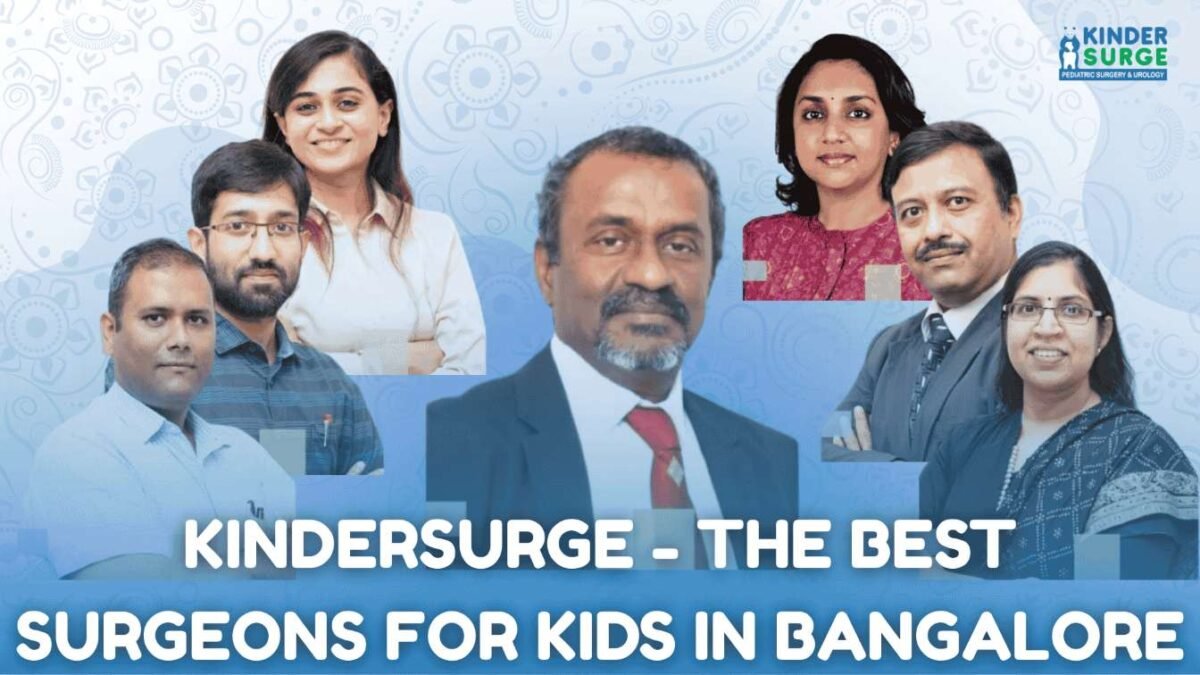
Pediatric Neurosurgeon in Bangalore
Pediatric neurosurgery is a super-specialty that addresses the diagnosis and surgical treatment of children with disorders of the brain, spine, and nervous system, including the head, spine, meninges, and skull. Pediatric neurosurgery, in contrast to adult neurosurgery, is the surgical discipline that deals with the most complex and fragile part of the nervous system. Among these are congenital disabilities, brain and spinal cord tumors, trauma, epilepsy, hydrocephalus, and craniosynostosis, to name just a few.
A pediatric neurosurgeon is more than a brain surgeon for children. They’re specially trained purveyors who know what developing children’s bodies and souls require. Their job is about so much more than the operating table: They collaborate with pediatricians, neurologists, anesthesiologists, and rehabilitation specialists to deliver full-spectrum, individualized neurological care that takes into account a child’s age, condition, and developmental stage.
Bangalore has, in the last few years, grown to become one of the most well-developed pediatric neurosurgery centers in India. Given its high-quality hospitals, internationally trained surgeons, and technology, including neuronavigation and neuroendoscopy, the center can provide world-class care for children with neurological disorders in the city. Parents all over India and abroad are looking for pediatric neurosurgeons in Bangalore, seeking their expertise, experience, accuracy, and caring.
Whether your child has a nervous system condition affecting their brain, spinal cord, or nerves, or if you are seeking an alternative opinion, discovering the best pediatric neurosurgeon in Bangalore can be a life-changing decision. In the sections that follow, we’ll take you through everything you need to know — from conditions treated to top specialists and hospitals.
Read more
What is a Pediatric Neurosurgeon?
A pediatric neurosurgeon is a medical doctor with specialized training in the diagnosis, treatment, and surgery of children with significant diseases of the brain, spine, and nervous system, from birth to age 18 or 21. These experts have special training that allows them to care for the young and growing brain and spinal cord, which is very different from that of adults.
While general neurosurgeons deal with most adult neurosurgery, and the introduction of advanced specialized neurosurgical training may limit the scope of general neurosurgeons, there is such a thing as pediatric neurosurgery to treat children, including adult neurological conditions. They also know how neurological disease can impact a child’s cognitive, physical, and emotional development over time.
A pediatric neurosurgeon does more than just operate. These specialists take part in the full spectrum of care, starting with early diagnosis and surgery planning and ending with post-operative recovery and ongoing neurological care. They often work alongside specialists such as pediatric neurologists, neuro-radiologists, anesthetists, intensivists, and paediatric rehabilitation teams to provide customized, multidisciplinary care for each patient.
Some of the more well-known of these conditions are hydrocephalus, brain or spinal cord tumors, craniosynostosis, spina bifida, Chiari malformations, epilepsy that requires surgery to manage, and traumatic brain injury.
What distinguishes pediatric neurosurgeons is not just their technical skill, but also their kind-hearted manner in treating young patients and their families. Communication, reassurance, and emotional support are critical to assisting families in making informed decisions regarding complex neurosurgical interventions.
In Bangalore, pediatric neurosurgeons are among the most highly skilled professionals in India, many with international fellowships and connections to top children’s hospitals. With state-of-the-art diagnostic and surgical technology, they can provide the most advanced care for children with neurological disorders.
Suppose a contusion is diagnosed and you are now seeking a pediatric brain doctor, a second opinion , or want to learn more about treatment options or decision-making when it comes to all things related to pediatric neurosurgery. In that case, this is a critical first step to the health of your child.
Educational Background & Training of Pediatric Neurosurgeons
The journey to becoming a pediatric neurosurgeon is a long and highly specialized one, requiring many years of education, training (both in education and surgical), and clinical experience. The cutting demands a combination of surgical precision, neurologic expertise, and knowledge of child development. Here is how you become a pediatric neurosurgeon in India:
MBBS (Bachelor of Medicine and Bachelor of Surgery):
The base degree is a six-year one, which includes one year of internship or clinical practice. It’s a beautiful book that gives you an excellent overview of human anatomy, human physiology, pathology, and clinical medicine.
MS or MD in General Surgery:
They need to earn a postgraduate degree in General Surgery after their MBBS. During this rotation, you’ll freeze (it’s cold, but you’ll love it!), and you’ll gain some basic surgical skills and spend a lot more hours operating on adult patients.
MCh or DM in Neurosurgery (6 years post-MBBS or 3 years post-MS):
This is a super-specialization that involves surgery of the brain and spinal cord. This is the period during which the neurosurgeon acquires skills in neurological anatomy, operative neurosurgery, and neurocritical care.
Pediatric Neurosurgery Fellowship (1–2 years)
The last and most important step is a pediatric neurosurgery fellowship. These are available at leading institutions in both India and other countries, and include the care of other types of child-specific neurosurgeries, such as Calvarial vault reconstruction, pediatric tumor surgery, and hydrocephalus management.
Altogether, more than 15–18 years of education and clinical training are required before the practicing pediatric neurosurgeon is a fully qualified surgeon.
Also, the majority of pediatric neurosurgeons are training to keep up with the recent developments in minimally invasive, neuro-navigation, intraoperative imaging, and robotic-assisted procedures.
When considering a top pediatric neurosurgeon in Bangalore, parents must insist that their prospective surgeon has had a long and solid academic and clinical training, such as the one seen above. Several of the best Neurosurgeons in Bangalore have been fellowship-trained abroad and have attachments in premier pediatric hospitals.
Common Conditions Treated by Pediatric Neurosurgeons
Pediatric neurosurgeons focus on the treatment of neurologic disorders of the brain, spine, and nervous system in children. Such disorders may be congenital (present at birth), degenerative (develop over time), or acquired (due to trauma or tumors). Timely and specialist attention from a paediatric neurosurgeon can make a considerable difference to the outlook and quality of life of the child. The following are the most frequently seen pediatric neurological disorders that neurosurgeons treat:
Congenital Anomalies
Congenital neurologic problems, such as encephaloceles, anencephaly, and congenital spinal defects, need to be identified early and surgically treated. Pediatric neurosurgeons can address these sensitive circumstances with precision-based surgery, which can result in good patient outcomes.
Hydrocephalus
Hydrocephalus is when there is an accumulation of cerebrospinal fluid (CSF) in the brain’s ventricles. This can cause the pressure inside the head to rise and injure the brain. Neurosurgeons with shunts or ETV commonly manage this. Surgical management of hydrocephalus in children is one of the most frequent surgeries in the field of pediatric neurosurgery.
Spina Bifida
A no to a congenital condition of the end of the spinal cord and its protective meninges (covering) not developing correctly, which results in nerve damage and physical disabilities. In addition to surgery to correct the disorder early after birth, pediatric neurosurgeons are the principal medical staff responsible for treating the disorder, which can cause paralysis or severe infection if left untreated.
Craniosynostosis
This is when one or more of the sutures in a baby’s skull close too early, disrupting skull and brain growth. Correction with surgery restores the typical shape of the skull and alleviates the pressure on the brain.
Pediatric Brain and Spinal Tumors
Benign or malignant CNS tumors in children usually need a complete surgical resection in addition to radiation and or chemotherapy. Pediatric brain tumor procedures are sensitive with a need for sophisticated imaging, neuronavigation, and intraoperative monitoring.
Pediatric Epilepsy Surgery
Surgery may be advantageous for children with intractable epilepsy. Pediatric neurosurgeons collaborate with neurologists to locate and surgically excise or disconnect the epileptogenic zone.
Traumatic Brain Injuries (TBIs)
For head trauma from accidents and falls, pediatric neurosurgeons can perform emergency surgery to release brain swelling, remove blood clots to eliminate pressure on the brain, and stabilize fractured bones.
Scoliosis and Spinal Deformities
In some cases, neurosurgeons work with orthopedic surgeons to treat a bent spine that is pressing on a nerve.
Chiari Malformation and Tethered Cord Syndrome
These developmental anomalies disrupt the alignment between the brain and spinal cord and may necessitate surgical decompression or detethering for symptomatic relief.
Vascular Malformations (AVMs)
AVMs in the brain or spine can lead to bleeding, seizures, or neurological deficits. Childhood neurosurgeons can manage these lesions through microsurgical resection or embolization.
Parents can find the best doctors in Bangalore for pediatric epilepsy treatment, brain tumor management, as well as hydrocephalus surgery among the top pediatric neurosurgeons in the city.
Advanced Pediatric Neurosurgical Procedures
Recent pediatric neurosurgical advancements focus on precision, safety, and shorter recovery times. The following are the current cutting-edge endovascular options that are frequently practiced by the best pediatric neurosurgeons in Bangalore.
Minimally Invasive Neurosurgery (MIS)
Whenever feasible, surgeons choose to use MIS techniques that rely on small incisions, tubular retractors, and an endoscope to navigate to the surgical target while causing minimal damage to surrounding healthy tissue. The benefits are less post‑operative pain, fewer scars, fewer infections, shorter hospital stays — key advantages for young patients, whose growing bodies can heal quickly when trauma is minimized.
Neuroendoscopy
Pediatric neuroendoscopy refers to passing a high‑definition endoscope through the natural corridors or small burr holes and approaching diseases, including hydrocephalus, intraventricular tumors, and cysts. The endoscope allows for magnified, lit views of the soft intracranial structures, enabling the surgeon to remove obstructions or abnormalities without performing grossly large craniotomies, therefore, sparing normal brain.
Image‑Guided Neurosurgery
Otherwise known as frameless stereotaxy, image-guided pediatric surgery is the superimposition of real-time instrument tracking over pre-operative MRI or CT scans. Neuronavigation functions as a GPS for the surgeon, allowing the system to better navigate during the procedure, as it can be performed during the surgery of the child with a brain tumor, epilepsy lesionectomy, or deep‑seated cyst resection. This facilitates the process and reduces surgeon error considerably, while cutting down on procedure time.
Intraoperative MRI (iMRI) & Neuronavigation
A few tertiary centers in Bangalore have iMRI suites where surgeons can acquire a fresh scan in between or during surgery. Immediate “in the operating room” results can prove that the entire tumor is out, or shunting is being done correctly, so that the resection of the bone does not have to be repeated in children. The collagen sponge with β-TCP paste pieces adheres to the bone surface site of subtotal petrosectomy on the deep layer of the map (b).
ETV (Endoscopic Third Ventriculostomy)
ETV is a primary selection against shunt implant in obstructive hydrocephalus. With the help of a neuroendoscope, the surgeon makes a small hole in the floor of the third ventricle so CSF can flow freely around clogs and go back to its normal direction. ETV avoids the lifelong need for shunting, and its associated potential for infection and the need for revision.
Tumor debulking and Gross Total Resection
For malignant or giant benign tumors, pediatric neurosurgeons strive to provide maximal tumor resection while preserving neurologic function. Approaches include ultrasonic aspirators, laser interstitial thermotherapy (LITT), and fluorescein-guided resection, which aim to differentiate tumour from normal tissue in situ during surgery for child brain tumours.
Spinal Stabilization in Children
In cases of severe scoliosis, spinal tumors, or trauma, instrumentation with small‑size, pediatric wires, screws, or expandable cages may need to be used. MIS or navigation‑guided open techniques are used by surgeons to accommodate for a child‑specific bone quality and subsequent growth potential, and to ensure a proper alignment of the spine and preservation of neural elements.
MIS, neuroendoscopy, imaging, and neuronavigation have revolutionized the practice of pediatric neurosurgery in Bangalore, ensuring each child the best possible outcome with minimal risk.
Top Pediatric Neurosurgeons in Bangalore: Profiles & Expertise
Selecting the right pediatric neurosurgeon is the key to your child’s well-being. There are a few of the best pediatric neurosurgeons in India, Bangalore, who come with high training exposure, an immense amount of experience, and superior patient satisfaction scores. Here is a list of top pediatric neurosurgeons in Bangalore who are qualified and have the necessary expertise based on qualifications, patient reviews, hospital affiliation, and experience.
Dr. Ganesh K Murthy – Medicover Hospitals, Hitech City.
Dr. Ganesh K. Murthy is a pediatric neurosurgeon with over 25 years of experience and specializes in complex and challenging pediatric neurosurgical cases, especially pediatric brain tumors, hydrocephalus, and spina bifida. He is highly recommended for his accurate surgical skills and caring attitude.
Dr. Anantha Kishan – Vydehi Institute of Medical Sciences
Dr. Kishan has over 20 years of experience dedicated to pediatric neurosurgery. His special interests are craniosynostosis repair, neuroendoscopy, and tethered cord syndrome. He is also a neurosurgeon involved in academia, research, and training.
By Dr. N.C. Prakash – HOSMAT Hospital
Dr. Prakash is an experienced paediatric neurosurgeon with over 22 years of experience as a senior consultant, managing a wide range of complex paediatric neurosurgical conditions, including AVMs, Chiari malformations, and spinal stabilization for children. He is best known for his use of state-of-the-art procedures with a friendly, welcoming touch.
Dr. Deepak A N – Rainbow Children’s Hospital in Marathahalli
Dr. Deepak A. N specializes in pediatric and minimally invasive brain surgeries, as well as the treatment of epilepsy. He is one of the new-age, tech-savvy neurosurgeons with over 12 years of experience in the field. He is widely regarded for his patient-first philosophy and use of neuronavigation.
Dr. Ravi Gopal Varma – Aster CMI Hospital, Hebbal
With over three decades of expertise and a reputation that spreads throughout the nation, Dr. Varma is the Chief Neurosurgeon at Aster CMI. He is an expert in brain tumor resection, congenital CNS anomalies, and complex neuroendoscopic procedures.
Whether you are looking for the best pediatric neurosurgeon in Bangalore or a top-rated child brain surgeon near you, these are the experts who deliver superior care supported by clinical excellence and family confidence.
Leading Hospitals Offering Pediatric Neurosurgery in Bangalore
In the management of children with complex neurological disorders, the hospital setting, including pediatric-specialized care, matters strongly. There are many such pediatric neurosurgery hospitals in the top-notch list in India, equipped with the latest technology, top-qualified neurosurgeons, and family-centric surroundings. Bangalore has a few of the best ones.
Apollo Hospital – Bannerghatta Road
Apollo Hospital is a leading tertiary care center in Bangalore with facilities for sophisticated pediatric neurosurgery. With an in-house IOBOT Gamma Knife, neuro-navigation, and a Pediatric ICU, the Department of Neurosciences at Apollo manages all aspects, from congenital malformations of the brain to pediatric brain tumor surgeries.
Rainbow Children’s Hospital – Marathahalli
Rainbow is a 200-bed hospital exclusively for children and is one of the leading paediatric units in the State, offering a hostel, school, and super-specialty services with the most advanced technology. The facility’s Pediatric Neurosurgery Unit provides minimally invasive and endoscopic surgeries as well as urgent care for head injuries in children. Rainbow is consistently rated at the top of the parents’ choice of best day care centers.
Sakra World Hospital -Outer Ring Road
Supported by Japanese technology and JCI accreditation, Sakra offers cutting-edge neurosurgical treatments utilizing advanced robotics, intraoperative monitoring, and neuro-endoscopy. The facility features a multidisciplinary pediatric care team comprising neurosurgeons, neurologists, and developmental pediatricians.
Aster CMI Hospital – Hebbal
Aster CMI’s Center of Neurosciences is renowned for its specialisation in paediatric brain and spinal surgeries. With services including a dedicated child neurology ward, state-of-the-art imaging, and rehabilitation, Aster offers a comprehensive ecosystem for recovery.
Manipal Hospital - Old Airport Road
Manipal is well known for its child care and tertiary care services for a long time. The hospital is capable of handling complex surgeries, such as craniosynostosis repairs, hydrocephalus shunting, and spinal defect repairs. There are also Child Life specialists who assist in comforting children before and after surgery.
Difference Between Pediatric Neurosurgeon & Pediatric Neurologist
If you and your child are dealing with some neurological issues, then parents should know the difference between a pediatric neurosurgeon and a pediatric neurologist.
A pediatric neurosurgeon is a surgeon who operates on children — from infants to adolescents — with diseases of the brain, spine, or other parts of the nervous system. They manage conditions that often need surgical intervention, including brain tumors, congenital abnormalities (such as hydrocephalus and craniosynostosis), traumatic brain injuries, and spinal deformities. This is a surgical, manual career where the job you’re performing requires getting inside and correcting structural challenges, which involves utilizing complex techniques such as minimally invasive surgery and neuroendoscopy.
Do not confuse a pediatric neurologist with a pediatric neurosurgeon, who is a surgeon and has special training in surgery to diagnose and treat children with neurological diseases. They may assess such conditions as epilepsy, developmental delays, headaches, neuromuscular disorders, and neurogenetic diseases. Pediatric neurologists help manage continuing medical treatment, and may prescribe medicines, team up with other specialists, but do not usually perform surgery.
When to see which specialist?
If your child has something neurologic (brain tumor, hydrocephalus, among other things) that may need an operation, a pediatric neurosurgeon is the person to see. For medically treated or for diagnostic evaluation (seizures, neuropathies, migraines), see a pediatric neurologist first. Frequently, these experts collaborate to give integrated care.
Multidisciplinary Approach to Pediatric Neurological Care
The best pediatric neurologic care involves a team of specialists from a wide range of medical disciplines who offer complete care, centered around the needs of the child. Paediatric neurosurgeons rarely treat alone but form an integrated team involving paediatricians, neurologists, neuroradiologists, anaesthetists, rehabilitation experts, and child psychiatrists to provide optimal care for children.
This comprehensive approach enables precise diagnosis, customized therapies, and easy coordination of care throughout a child’s treatment. For instance, radiologists deliver high-quality images necessary for surgical planning; pediatric neurologists help with non-surgical management and continued neurologic follow-up. Rehabilitation professionals support post-operative recovery involving physical, cognitive, and speech therapy to ensure patients heal and function to the best of their ability.
Pre-operatively, the child’s general and neurological condition is assessed by a multi-disciplinary team to optimise this before surgery. Following surgery, coordinated post-surgical care enables monitoring, analgesia, and rehabilitation to minimize complications and facilitate long-term recovery.
Such an integrated child care model facilitates communication between specialists and is associated with reduced hospital admissions, as well as increased confidence in families with respect to treatment decisions. Bangalore has hospitals, such as Apollo and Rainbow Children’s Hospital, offering pediatric neurosurgery, which promotes this holistic approach and are considered the favorite choices for families looking for a child neurosurgeon.
Consultation & Diagnosis Process
The pediatric neurosurgical care consultation and diagnosis process is the foundation on which child treatment rests. Therefore, during the initial assessment, pediatric neurosurgeons compile a thorough medical history, including developmental milestones, and neurological issues present in the past. The evaluation enables neurosurgeons to identify signs of neurological abnormalities, such as headaches, seizures, motor delays, and head traumas, among others.
Since pediatric neuro conditions often exhibit abnormal behaviors, diagnosing them using imaging is common. Imaging is used to capture brain structures or activities, although it does not provide the etiology of the condition.
Some of the pediatric imaging commonly used include magnetic resonance imaging, computed tomography scans, and electroencephalograms for epilepsy and seizure diseases. Once consultation and diagnosis are complete, basic findings are discussed with the family to equip them for pre-operative counseling.
A counselor should provide clear and easily understandable information to the family. This aspect helps guide the family through the stages of treatment, giving them the courage to submit the child for pediatric neurosurgery. Before surgery, preoperative counseling and preparations allow the newborn to be fully prepared for the procedure and make it safer.
What to Expect Before, During & After Pediatric Neurosurgery
Before Surgery:
Preoperative preparation is vital to ensure the child’s safety and readiness for pediatric neurosurgery. The medical team conducts thorough evaluations, including blood tests, imaging, and anesthetic assessments. Parents receive detailed instructions on fasting, medication management, and what to expect on surgery day. Emotional support is also provided to reduce anxiety for both child and family.
During Surgery:
The duration of pediatric neurosurgery depends on the disorder and complexity of the surgical procedure. The two most common of these are operative neuroendoscopy and image-guided surgery in an attempt to achieve a significant reduction in trauma and recovery time. Vigilant observation maintains the child’s vital signs and neurological status stable at all times. Expert pediatric neurosurgeons utilize state-of-the-art instruments to precisely treat brain tumors, congenital malformations, or spinal disorders.
After Surgery:
Postoperative Management requires intensive care in a Pediatric Intensive Care Unit (PICU) or recovery room. Control of pain, infection, and neurologic monitoring should be the focus. Rehabilitation can involve physical therapy, occupational therapy, and speech therapy to help people heal and return to health. How long the child stays in the hospital varies depending on the type of surgery and the child’s condition.
Risks and Outcomes:
Although pediatric neurosurgery has risks, including infection, hemorrhage, and neurological injury, modern neurosurgery has made considerable progress in the success and risks of operations. Early intervention is frequently associated with better prognosis and quality of life. Recovery times differ, ranging from normality to requiring skill retraining over months.
Parents also need to schedule follow-ups to monitor progress and address any potential issues during the recovery process.
Survival after brain injury or surgery is complex and varies from hospital to hospital, even among children with similar medical conditions.
FAQs:
1. What is a Pediatric Neurosurgeon?
A paediatric neurosurgeon is a neurosurgeon who has specialized in the diagnosis and surgical treatment of neurological conditions of children, from the newborn period into the teenage years. Pediatric neurosurgeons, unlike adult general neurosurgeons, specialize in diseases and disorders that affect the developing brain, spine, and nervous system. They treat a variety of disorders, including congenital disabilities (eg, hydrocephalus, craniosynostosis), brain and spinal tumors, trauma, epilepsy, and vascular malformations.
This group of professionals must graduate from medical school, complete a general surgical residency, neurosurgical training, and a fellowship devoted exclusively to pediatric neurosurgery. Pediatric neurosurgeons bring surgical mastery and a comprehensive knowledge of the special anatomy of children and the workings of their developing nervous systems, so that your child has access to safe, child-focused care.
2. Who is the Best Pediatric Neurosurgeon in Bangalore?
Experienced pediatric neurosurgeons with neurosurgery centres in Bangalore are skilled and have been performing successful procedures. Some top names include:
Dr. Ganesh K Murthy (Medicover Hospitals)/representative image
Dr. Anantha Kishan (Vydehi Institute).
Dr. N.C. Prakash (HOSMAT Hospital)CppMethodInitializedaucDr.
Dr. Deepak A N(Rainbow Children’s Hospital)
Dr. Ravi Gopal Varma (Aster CMI Hospital).
These are doctors with decades of experience in pediatric neurosurgery, a good patient satisfaction rating on online platforms like Practo and JustDial, and skills in cutting-edge procedures such as neuroendoscopy and minimally invasive brain surgery. The right neurosurgeon will depend on your child’s condition, hospital affiliation, and comfort with the doctor.
3. What is the Difference Between a Neurologist and a Neurosurgeon?
A pediatric neurologist is a physician who diagnoses and treats neurological disorders in children without the use of surgery, including those of the brain, spinal cord, and peripheral nervous system. They help manage the care of epilepsy, developmental delays, headaches, and neuromuscular diseases.
A pediatric neurosurgeon, on the other hand, performs surgery for neurologic conditions that are amenable to surgery, such as brain tumors, hydrocephalus, and spinal deformities.
Often, the two experts work together to treat patients, ensuring that all of their needs are addressed. For instance, a neurologist may treat epilepsy medically, but when drugs fail to control seizures, a neurosurgeon may be considered to address the seizures surgically.
4. Why Would a Child Need Neurosurgery?
Children may need neurosurgery for a range of different reasons, such as:
Congenital disabilities such as hydrocephalus (buildup of fluid in the brain), craniosynostosis (skull fusion occurring too early), and spina bifida
Tumors of the brain and spinal cord that need to be operated on or biopsied
TBI stemming from accidents or falls
Drug-resistant epilepsy, occasionally requiring surgery
Vascular malformations, such as arteriovenous malformations (AVMs), resulting in bleeding or seizures
Neurologically based scoliosis and tethered cord syndrome
Surgery is an option when other treatments do not work or when structural issues need to be fixed to improve neurological function and quality of life.
5. At What Age Can a Child Undergo Brain Surgery?
Childhood neurosurgery can be carried out at almost every age, from birth to a few months. When it happens would be determined by the nature and urgency of the infirmity. Some congenital problems, such as hydrocephalus or craniosynostosis, may need to be addressed with surgery in the first months of life to avoid developmental delays or damage to the brain. Other conditions, including tumors or injuries, are managed when they can be diagnosed and after the child is stable medically.
Neurosurgeons perform age-specific, pupillary-sparing pediatric surgical techniques, and anesthesia can mitigate even the risks in the very young child, allowing for safe procedures. Early surgery avoids further neurological deterioration and usually leads to better outcomes.
The development of the world’s youngest patient to undergo brain surgery are followed.
6. What is the Success Rate of Pediatric Neurosurgery?
The likelihood of success in pediatric neurosurgery varies depending on the condition, type of surgery, and the child’s health. Through innovations in minimally invasive procedures, neuroimaging, and intraoperative neurophysiological monitoring, the majority of procedures have success rates higher than 80–90%.
For example:
Hydrocephalus shunts operations are effective in more than 85% if followed appropriately.
Tumor resection depends on the type of tumor and may even provide good rates of survival and recovery, particularly if the tumor is benign.
Success with epilepsy surgery is variable, but in appropriately selected patients, it can be associated with a dramatic reduction in seizures.
Nevertheless, with modern pediatric neurosurgery, maintaining constant vigilance for safe and long-term neurological function, multidisciplinary efforts of optimal care and rehabilitation are being achieved.
7. Is Neurosurgery Safe for Children?
Improvements in operative procedure, anesthetic management, and postoperative care have reduced threats of infection, hemorrhage, and brain injury.
Safety is also maximized through the use of child-specific instruments, minimally invasive techniques, and accurate image-guided techniques. Routine preoperative evaluation and multimodal postoperative care are crucial in minimizing complications and facilitating early recovery.
Parents would select hospitals with established pediatric neurosurgery services and request an open dialogue with the surgical team regarding safety issues.
8. What is the Most Common Pediatric Neurological Disorder?
Epilepsy is one of the most prevalent pediatric neurological disorders, which causes repeated seizures due to abnormal electrical activity in the brain. Other commonly seen conditions are hydrocephalus (too much cerebrospinal fluid in the brain), and congenital spinal defects such as spina bifida and head trauma from injury.
So are developmental neuro diseases, such as cerebral palsy or migraine headaches. Many of these disorders may need collaboration between pediatric neurologists and neurosurgeons to manage them optimally.
9. What is the Salary of a Pediatric Neurosurgeon in India?
The salary of a pediatric neurosurgeon in India differs according to several factors such as experience, location, and hospital. A beginner in pediatric neurosurgery earns around ₹10 lakh to ₹20 lakh per year. In major cities like Bangalore, a senior specialist can earn around ₹40 lakh per year, particularly if they are associated with prestigious hospitals or have their private clinics.
Conclusion
Early diagnosis and timely intervention are critical for managing pediatric neurological conditions effectively, ensuring the best possible outcomes for children’s health and development. Bangalore is home to some of the best pediatric neurosurgeons, equipped with advanced expertise and state-of-the-art facilities to provide comprehensive care tailored specifically for children.
If your child is experiencing neurological symptoms or has been diagnosed with a neurological disorder, don’t delay in seeking expert consultation. Whether you need a first evaluation or a second opinion, consulting an expert pediatric neurosurgeon in Bangalore can make all the difference in your child’s treatment journey.
Take the first step today—reach out to a trusted pediatric neuro doctor and ensure your child receives the best neuro care available.